
 Axe ’Em, Jacks!
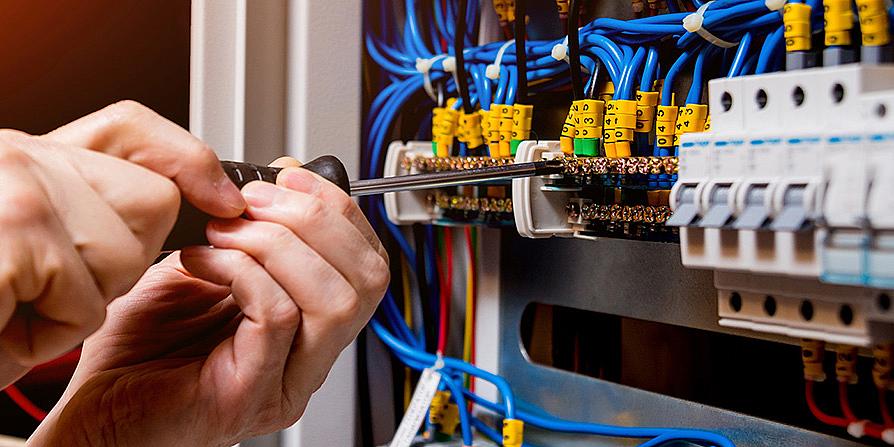
Become an Accredited Electrical/Electronics Technician
Gain the knowledge and skills to jumpstart a rewarding electrical technician career installing, testing and repairing electronic components and electrical systems!
This electronics and electrical technician course provides an essential understanding of basic circuit theory with content designed for entry-level learners—with no prerequisites required. Learn to read electrical schematics, perform diagnostic assessments, and apply troubleshooting techniques as you prepare for a successful electronics technician career. Immerse yourself in real-life case scenarios, hands-on labs, circuit simulations, and over 200 engaging safe-to-fail activities with immediate feedback to reinforce learning outcomes.
This self-paced course prepares you for the Associate Certified Electronics Technician (CETa) certification, which will be a valuable asset as you launch your new career. This foundation allows you to explore opportunities in specialties like industrial electronics, avionics, telecommunications, wireless technologies, alarm security, SMART technologies, commercial audio, radar and antenna systems, and more.
Note: This course offers enrollment with a voucher. The voucher covers the cost to sit for the certifying exam upon eligibility.
Job Outlook for Electrical and Electronics Technicians
According to the U.S. Bureau of Labor Statistics, or BLS, electrical and electronics installers and repairers are projected to grow through 2033, with over 10,000 job openings on average, annually. According to Glassdoor, the average U.S. salary for an electrical technician is $64,133. The average annual salary for electronics technicians is $65,536.
The BLS states that electrical and electronic engineering technologists and technicians will have similar job openings over the same period, with median annual wages of $72,800. The top states for employment of these professionals are California, Texas, Florida, New York and Virginia.
Electrical and Electronics Technician FAQs
What is an electrical technician? What does an electrical technician do?
Electrical technicians help create, maintain and repair the electronic components and equipment used in any equipment or device that involves electricity. They also can sometimes work with electricians or electrical engineers or work on site to keep machinery and specialty equipment running correctly.
Some of the duties for an electrical technician include:
- Reading blueprints and technical diagrams to determine the placement of outlets and fixtures
- Installing wiring, outlets and controls
- Maintaining electrical systems
- Inspecting transformers and circuit breakers to ensure they are up to code
- Identifying electrical problems using specialized tools like voltmeters, cable testers, thermal scanners and ammeters
- Repairing and replacing wiring and equipment using both power and hand tools
- Training and directing fellow workers to install, maintain and repair systems and wiring
- Following local and state building requirements
What is an electronics technician? What does an electronics technician do?
An electronics technician is a professional who works with electrical and electronic equipment, such as computers, medical devices and navigation systems.
Some of the duties for an electronics technician include:
- Diagnosing and repairing electronic equipment
- Assembling equipment or components
- Interpreting technical blueprints and schematics
- Calibrating electronic equipment to manufacturer specifications
- Designing electrical equipment or systems
- Performing preventative maintenance on electric systems
- Maintaining electronic equipment
- Collaborating with engineers and other technicians
- Upgrading technology and software systems
- Troubleshooting electronic systems
- Documenting processes and maintaining service records
Course Objectives
- Safety: Develop a strong understanding of safety procedures in the electrical industry, emphasizing personal protective equipment, or PPE, hazard identification and safe work practices.
- Electrical Drawings: Learn to interpret and sketch various types of electrical diagrams, enabling effective communication and comprehension of electrical systems.
- Troubleshooting Skills: Develop a systematic troubleshooting skillset for electronic systems and equipment, allowing for efficient problem identification and resolution.
- Lab Experiences: Gain hands-on experience working with electrical components, building and analyzing circuits both with a physical lab kit and in virtual simulations.
- Workplace Scenarios: Apply learned concepts and problem-solving skills to real-world workplace scenarios, simulating on-the-job problems and challenges that electrical technicians may encounter.
- Exam Preparation: This course prepares you for Associate Certified Electronics Technician, or CETa, developed by the Electronics Technicians Association, International, Inc.
Prerequisites and Certification Requirements
There are no prerequisites to take this course. However, this course requires basic computer skills, including the ability to open and manage windows, navigate websites, and perform common online tasks such as downloading files, completing forms and using web-based tools.
Registration and Enrollment
This course is completely online. Start anytime.